


Мы верим в мечты, имеющие под собой основания.
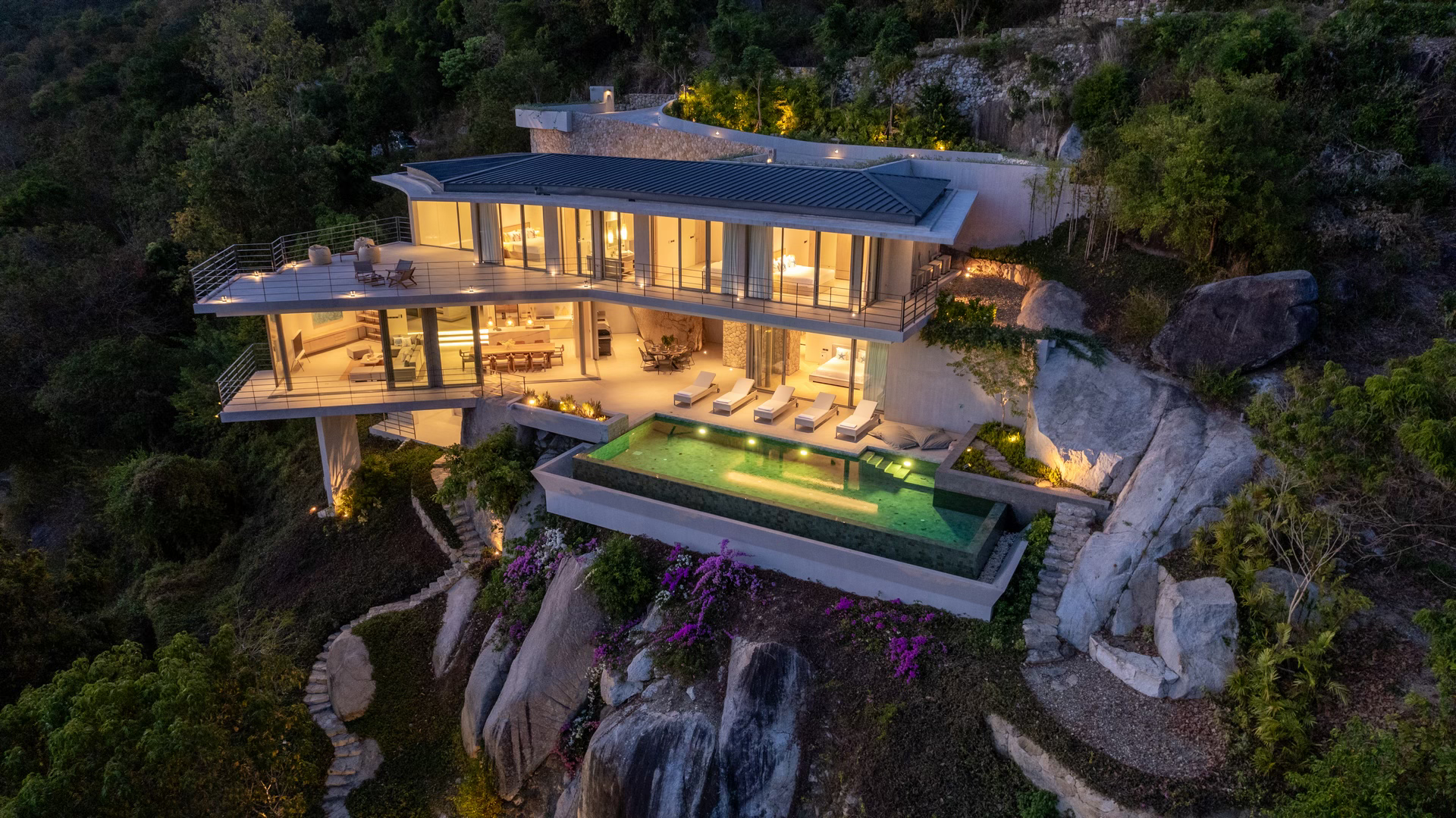
Привет, я Сима — ваш дружелюбный ассистент по недвижимости.
Ищете дом своей мечты или выгодную инвестицию? Я здесь для того, чтобы сделать ваш поиск простым, плавным и даже приятным.
Представляете ли вы себе тихую виллу на берегу моря, стильный пентхаус в городе или скрытую жемчужину в уникальном месте — я помогу вам найти ее.
Я работаю 24 часа в сутки, 7 дней в неделю, чтобы показать вам наши тщательно отобранные элитные предложения, ответить на ваши вопросы и свести вас с нужными людьми.
Не знаете, с чего начать? Просто спросите! Я буду направлять вас шаг за шагом и постараюсь, чтобы вы чувствовали себя уверенно на каждом этапе. Давайте вместе исследуем красивые дома и найдем тот, который действительно понравится вам.
Это нечто большее, чем недвижимость.
Речь идет о том, чтобы раскрыть свою мечту и воплотить ее в реальность.
Речь идет о том, чтобы раскрыть свою мечту и воплотить ее в реальность.
В поисках своей мечты
Формулировка миссии: каковы ваши пожелания, цели и возможности
Прокладывая путь к мечте
Поиск объекта недвижимости и разработка проекта
Собираете чемодан, чтобы отправиться в выбранный путь
Техническая и юридическая оценка
Путешествие к мечте
Сделка и реализация проекта
Празднуем
Поддержка по всем возникающим вопросам даже после завершения сделки или проекта
Часто задаваемые вопросы
Преимущества недвижимости в Таиланде
Основное преимущество покупки недвижимости с правом владения заключается в том, что покупатель получает полное право собственности. Это означает, что владелец может свободно продавать, сдавать в аренду или развивать объект по своему усмотрению в рамках законодательства Таиланда.
Недвижимость в свободной собственности считается более надёжной, поскольку не имеет срока действия и не требует продления, в отличие от аренды.
Хотя процесс покупки может быть немного дольше и потенциально дороже, долгосрочные преимущества полного контроля и возможности передачи прав собственности делают этот вариант особенно привлекательным для иностранных покупателей — особенно при покупке кондоминиумов, где иностранцам разрешено владеть до 49% здания.
Недвижимость в свободной собственности считается более надёжной, поскольку не имеет срока действия и не требует продления, в отличие от аренды.
Хотя процесс покупки может быть немного дольше и потенциально дороже, долгосрочные преимущества полного контроля и возможности передачи прав собственности делают этот вариант особенно привлекательным для иностранных покупателей — особенно при покупке кондоминиумов, где иностранцам разрешено владеть до 49% здания.
Способы, с помощью которых иностранцы могут получить землю в Таиланде
Иностранцам, которые ищут надёжный и простой способ инвестировать в землю, доступны два распространённых варианта:
Договор аренды: Это позволяет иностранцам арендовать землю на срок до 30 лет с возможностью продления.
Создание тайской компании с ограниченной ответственностью: Это предполагает создание компании, в которой иностранный гражданин владеет до 49 % акций, а остальные акции принадлежат гражданам Таиланда.
Договор аренды: Это позволяет иностранцам арендовать землю на срок до 30 лет с возможностью продления.
Создание тайской компании с ограниченной ответственностью: Это предполагает создание компании, в которой иностранный гражданин владеет до 49 % акций, а остальные акции принадлежат гражданам Таиланда.
Налоговые условия на владение недвижимостью на Самуи.
Если вы являетесь владельцем индивидуальной недвижимости, желающим сдавать ее в аренду или в коммерческое пользование, с вашего годового дохода от аренды будет взиматься 12,5-процентный налог на жилье и землю.
Его величина определяется в зависимости от того, что выше — договор аренды или годовая оценочная стоимость, установленная местными властями. Местные власти могут скорректировать сумму, если заявленная владельцем стоимость слишком низкая, исходя из различных факторов.
Для домов, занимаемых владельцами, предусмотрены льготы по налогу на строение и землю. Однако если у владельца есть вторая или более недвижимость на его имя или купленная на его имя (как иностранца), эти объекты не освобождаются автоматически.
Владелец обязан уведомить местные власти, если недвижимость сдается в аренду или используется в коммерческих целях. Таким образом, он должен выплачивать налог на аренду, полученный до конца февраля ежегодно.
Налоговое бремя Таиланда обычно перекладывается на арендатора или нанимателя в договоре аренды.
Иностранцы, которые могут только арендовать землю, могут быть освобождены от налога, если дом, построенный на арендованной земле, находится в их собственности и служит им местом жительства (таким образом, это дом, занимаемый владельцем).
Налог на имущество — это обязанность владельца арендованной квартиры или кондоминиума, когда он сдает свои апартаменты в аренду. И опять же, это налоговое бремя обычно перекладывается на арендатора или нанимателя.
Если тайская компания владеет землей, зданиями или застройкой и использует их в качестве арендной недвижимости, дома для отдыха или резиденции директора, компания несет ответственность за уплату земельного и жилищного налога, даже если она не ведет на них бизнес и не получает от них никакого дохода.
Иностранец, проживающий в недвижимости, купленной от его имени компанией, не может рассматриваться как «занимаемый собственником», поэтому он не освобождается от уплаты налога на недвижимость.
Его величина определяется в зависимости от того, что выше — договор аренды или годовая оценочная стоимость, установленная местными властями. Местные власти могут скорректировать сумму, если заявленная владельцем стоимость слишком низкая, исходя из различных факторов.
Для домов, занимаемых владельцами, предусмотрены льготы по налогу на строение и землю. Однако если у владельца есть вторая или более недвижимость на его имя или купленная на его имя (как иностранца), эти объекты не освобождаются автоматически.
Владелец обязан уведомить местные власти, если недвижимость сдается в аренду или используется в коммерческих целях. Таким образом, он должен выплачивать налог на аренду, полученный до конца февраля ежегодно.
Налоговое бремя Таиланда обычно перекладывается на арендатора или нанимателя в договоре аренды.
Иностранцы, которые могут только арендовать землю, могут быть освобождены от налога, если дом, построенный на арендованной земле, находится в их собственности и служит им местом жительства (таким образом, это дом, занимаемый владельцем).
Налог на имущество — это обязанность владельца арендованной квартиры или кондоминиума, когда он сдает свои апартаменты в аренду. И опять же, это налоговое бремя обычно перекладывается на арендатора или нанимателя.
Если тайская компания владеет землей, зданиями или застройкой и использует их в качестве арендной недвижимости, дома для отдыха или резиденции директора, компания несет ответственность за уплату земельного и жилищного налога, даже если она не ведет на них бизнес и не получает от них никакого дохода.
Иностранец, проживающий в недвижимости, купленной от его имени компанией, не может рассматриваться как «занимаемый собственником», поэтому он не освобождается от уплаты налога на недвижимость.
Могут ли иностранцы купить землю на Самуи?
В Таиланде иностранцам запрещено владеть землей. Однако не стоит расстраиваться. Ваша мечта стать владельцем земли на Самуи вовсе не обязательна!
У вас, иностранца, есть множество законных способов стать владельцем недвижимости на Самуи. Вы по-прежнему можете купить жилье или сдавать его в аренду, но это не так просто, как покупка земли в вашем населенном пункте.
Следуйте этим способам, чтобы получить свою собственную великолепную квартиру или виллу. Ниже описаны способы приобретения недвижимости в Таиланде иностранцами.
Иностранные покупатели также должны ознакомиться с тайскими единицами измерения земли, такими как «раи», «нган» и «талангва». 1 ва составляет 4 квадратных метра. 1 нган — это 100 вах или 400 квадратных метров. 1 раи — это 4 нгана или 400 вах или 1600 квадратных метров.
У вас, иностранца, есть множество законных способов стать владельцем недвижимости на Самуи. Вы по-прежнему можете купить жилье или сдавать его в аренду, но это не так просто, как покупка земли в вашем населенном пункте.
Следуйте этим способам, чтобы получить свою собственную великолепную квартиру или виллу. Ниже описаны способы приобретения недвижимости в Таиланде иностранцами.
Иностранные покупатели также должны ознакомиться с тайскими единицами измерения земли, такими как «раи», «нган» и «талангва». 1 ва составляет 4 квадратных метра. 1 нган — это 100 вах или 400 квадратных метров. 1 раи — это 4 нгана или 400 вах или 1600 квадратных метров.
Лучшие локации для покупки недвижимости на Самуи.
Среди лучших и наиболее популярных мест, где можно купить виллы или даже посетить Самуи, — Чавенг Ной, Ламай, Чоенг Мон, Бопхут, Талинг Нгам и Маенам.
Чавенг Ной: это основной туристический район, известный своей ночной жизнью и песчаными пляжами. Здесь множество пляжных баров, а также объектов недвижимости. Большинство туристов съезжаются сюда за покупками, изысканными блюдами и регулярными вечеринками.
Чхон Мон: Это самый элитный район острова. Это означает, что помимо качественного пляжа, в Чхон Мон расположены высококачественные виллы и жилые комплексы, а также все необходимые удобства.
Бопхут: это лучший семейный район для тех, кто ищет постоянное место жительства. В этом пляжном городке вы можете приобрести недорогое жилье и квартиры, погрузившись в местную культуру.
Талинг Нгам: он известен своей нетронутой природой. Другими словами, живя в Талинг-Нгаме, вы будете ближе всего к матушке-природе, а само это место скорее напоминает простую провинциальную жизнь, чем туристическое существование.
Маенам: Маенам славится своими доступными турами и отдыхом. Если вы турист, желающий побаловать себя тем, за чем обычно охотятся туристы, вы можете забронировать различные туры и походы, любимые многими любителями приключений с рюкзаками.
Чавенг Ной: это основной туристический район, известный своей ночной жизнью и песчаными пляжами. Здесь множество пляжных баров, а также объектов недвижимости. Большинство туристов съезжаются сюда за покупками, изысканными блюдами и регулярными вечеринками.
Чхон Мон: Это самый элитный район острова. Это означает, что помимо качественного пляжа, в Чхон Мон расположены высококачественные виллы и жилые комплексы, а также все необходимые удобства.
Бопхут: это лучший семейный район для тех, кто ищет постоянное место жительства. В этом пляжном городке вы можете приобрести недорогое жилье и квартиры, погрузившись в местную культуру.
Талинг Нгам: он известен своей нетронутой природой. Другими словами, живя в Талинг-Нгаме, вы будете ближе всего к матушке-природе, а само это место скорее напоминает простую провинциальную жизнь, чем туристическое существование.
Маенам: Маенам славится своими доступными турами и отдыхом. Если вы турист, желающий побаловать себя тем, за чем обычно охотятся туристы, вы можете забронировать различные туры и походы, любимые многими любителями приключений с рюкзаками.
Варианты владения недвижимостью для покупателей в Таиланде.
Создание тайской компании с ограниченной ответственностью является наиболее распространенным вариантом владения землей для иностранных покупателей недвижимости. По сути, созданная вами компания покупает тайскую недвижимость от вашего имени.
Оговорка заключается в том, что около 51 процента (или более) акционеров компании должны быть гражданами Таиланда. Остальные 49 процентов (или меньше) акционеров могут быть иностранцами.
Вы можете воспользоваться сделкой 30 + 30 + 30 leasehold. Вы можете арендовать землю в Таиланде на 30 лет и владеть построенным на ней сооружением. По истечении 30 лет вы можете дважды продлить договор аренды, что позволит вам владеть землей в течение 90 лет.
В отличие от фригольда, который дает вам абсолютное право собственности на недвижимость, которым вы можете владеть неограниченное время. Иностранцы могут получить право собственности на кондоминиум или приобрести его у компании, покупающей недвижимость от вашего имени.
Вы также можете пойти по пути Marriage Property. Другими словами, если у вас есть супруг или супруга, являющийся гражданином Таиланда, вы можете разделить право собственности на тайскую недвижимость и землю в браке.
Оговорка заключается в том, что около 51 процента (или более) акционеров компании должны быть гражданами Таиланда. Остальные 49 процентов (или меньше) акционеров могут быть иностранцами.
Вы можете воспользоваться сделкой 30 + 30 + 30 leasehold. Вы можете арендовать землю в Таиланде на 30 лет и владеть построенным на ней сооружением. По истечении 30 лет вы можете дважды продлить договор аренды, что позволит вам владеть землей в течение 90 лет.
В отличие от фригольда, который дает вам абсолютное право собственности на недвижимость, которым вы можете владеть неограниченное время. Иностранцы могут получить право собственности на кондоминиум или приобрести его у компании, покупающей недвижимость от вашего имени.
Вы также можете пойти по пути Marriage Property. Другими словами, если у вас есть супруг или супруга, являющийся гражданином Таиланда, вы можете разделить право собственности на тайскую недвижимость и землю в браке.
Покупка недвижимости на Самуи - это хорошая идея?
Да. Самуи — это не только место, пользующееся большим спросом у туристов. Его многочисленные объекты, построенные и перепроданные, также растут в цене.
Он даже служит высокодоходной инвестицией для тех, кто может позволить себе купить и сдавать в аренду собственную недвижимость, получая при этом значительный доход от притока туристов со всего мира.
Это не только высокодоходная инвестиция. Вы также можете купить недвижимость на Самуи в качестве своего рода дома для отдыха, что позволит вам спокойно уйти на пенсию в самом центре райского уголка Юго-Восточной Азии.
На Самуи уже есть больницы, продуктовые магазины, торговые центры, кинотеатры, международные школы, транспорт, пешеходные улицы и пляжи на каждом шагу. Ваши инвестиции принесут дивиденды во всех отношениях.
Он даже служит высокодоходной инвестицией для тех, кто может позволить себе купить и сдавать в аренду собственную недвижимость, получая при этом значительный доход от притока туристов со всего мира.
Это не только высокодоходная инвестиция. Вы также можете купить недвижимость на Самуи в качестве своего рода дома для отдыха, что позволит вам спокойно уйти на пенсию в самом центре райского уголка Юго-Восточной Азии.
На Самуи уже есть больницы, продуктовые магазины, торговые центры, кинотеатры, международные школы, транспорт, пешеходные улицы и пляжи на каждом шагу. Ваши инвестиции принесут дивиденды во всех отношениях.
Владение землей в Таиланде для иностранцев
Согласно тайскому законодательству, иностранным гражданам, как правило, запрещено владеть землей, находящейся в свободной собственности. Тем не менее, иностранцам доступны юридические стратегии, которые позволяют им контролировать и инвестировать в недвижимость. Иностранцы могут владеть до 49 % акций тайской компании с ограниченной ответственностью, которая владеет землей на свое имя, хотя сама земля остается в собственности компании. Хотя иностранцы не могут напрямую владеть землей, им разрешено владеть зданиями, например, кондоминиумами, независимо от земли, на которой они построены.
Стоимость жизни на Самуи.
Проживание на Самуи в качестве отдыхающего или туриста обходится примерно в £60, $70, €70 или ฿2,600 в день. Для более дорогих предложений вам придется еще больше ослабить кошелек.
Это также зависит от того, где вы хотите остановиться и что хотите есть или пить. Если вы умеете дешево питаться, то большую часть вашего туристического бюджета займет проживание.
Что касается стоимости жизни на Самуи в качестве резидента, то, чтобы выжить, вам нужно иметь чистую зарплату не менее ฿13 000 (365 долларов) в месяц. Чтобы позволить себе арендовать жилье, нужно иметь зарплату в размере ฿26 000 (730 долларов) или больше.
Самый дешевый ресторан на Самуи стоит ฿100 ($2), местный транспорт — ฿50 ($1), коммунальные услуги — до ฿3 600 ($100) в месяц плюс ฿500 ($14) на мобильный телефон и ฿500 ($14) на интернет.
Аренда также стоит около ฿16 000 (450 долларов) в месяц за 1-комнатные квартиры в центре города.
Это также зависит от того, где вы хотите остановиться и что хотите есть или пить. Если вы умеете дешево питаться, то большую часть вашего туристического бюджета займет проживание.
Что касается стоимости жизни на Самуи в качестве резидента, то, чтобы выжить, вам нужно иметь чистую зарплату не менее ฿13 000 (365 долларов) в месяц. Чтобы позволить себе арендовать жилье, нужно иметь зарплату в размере ฿26 000 (730 долларов) или больше.
Самый дешевый ресторан на Самуи стоит ฿100 ($2), местный транспорт — ฿50 ($1), коммунальные услуги — до ฿3 600 ($100) в месяц плюс ฿500 ($14) на мобильный телефон и ฿500 ($14) на интернет.
Аренда также стоит около ฿16 000 (450 долларов) в месяц за 1-комнатные квартиры в центре города.
Как оплатить недвижимость на Самуи?
Лучшими способами финансирования покупки недвижимости на Самуи являются покупка за наличные (если это возможно) и ипотечный кредит.
Покупка наличными: Если у вас есть свободные средства, оплата наличными — самый выгодный вариант для продавца и вас как покупателя. Это упрощает процесс и избавляет от необходимости долго ждать выплаты процентов по кредиту.
Кроме того, при покупке за наличные у вас появится возможность вести переговоры. Например, вы можете попросить о скидках или более выгодных предложениях, предложив оплатить недвижимость наличными или небольшими частями.
Убедитесь, что у вас есть достаточный запас денежных средств помимо стоимости недвижимости, чтобы покрыть такие непредвиденные расходы, как содержание недвижимости, налоги, государственные пошлины и непредвиденные расходы.
Ипотечные кредиты: Наиболее распространенной формой финансирования покупки недвижимости является ипотечный кредит. Эти кредиты предоставляются финансовыми учреждениями, такими как банки. Сама недвижимость должна служить обеспечением кредита.
Ипотечные кредиты требуют от вас высокой кредитоспособности и высокого дохода, что помогает банку чувствовать себя уверенно при выдаче кредита и его выплате вместе с процентами. И это помимо того, что купленная недвижимость может стать предметом дефолта банка, если вы не будете платить за нее.
Процентные ставки и требования должны варьироваться в зависимости от местоположения недвижимости и финансовых обстоятельств кредитора.
Покупка наличными: Если у вас есть свободные средства, оплата наличными — самый выгодный вариант для продавца и вас как покупателя. Это упрощает процесс и избавляет от необходимости долго ждать выплаты процентов по кредиту.
Кроме того, при покупке за наличные у вас появится возможность вести переговоры. Например, вы можете попросить о скидках или более выгодных предложениях, предложив оплатить недвижимость наличными или небольшими частями.
Убедитесь, что у вас есть достаточный запас денежных средств помимо стоимости недвижимости, чтобы покрыть такие непредвиденные расходы, как содержание недвижимости, налоги, государственные пошлины и непредвиденные расходы.
Ипотечные кредиты: Наиболее распространенной формой финансирования покупки недвижимости является ипотечный кредит. Эти кредиты предоставляются финансовыми учреждениями, такими как банки. Сама недвижимость должна служить обеспечением кредита.
Ипотечные кредиты требуют от вас высокой кредитоспособности и высокого дохода, что помогает банку чувствовать себя уверенно при выдаче кредита и его выплате вместе с процентами. И это помимо того, что купленная недвижимость может стать предметом дефолта банка, если вы не будете платить за нее.
Процентные ставки и требования должны варьироваться в зависимости от местоположения недвижимости и финансовых обстоятельств кредитора.
Недвижимость на Самуи: off-plan или перепродажа, что лучше?
Как у недвижимости, построенной вне плана, так и у перепродажи есть свои плюсы и минусы, присущие их природе. Выбирайте тот вариант, который имеет наибольший финансовый смысл для вас как покупателя.
Недвижимость вне плана Внеплановая недвижимость обычно представляет собой пустой участок или землю. Это недвижимость до того, как на ней будет построено какое-либо сооружение. Обычно она продается застройщикам и тем, кто только начинает осваивать новые проекты.
Недвижимость, построенная вне плана (off-plan): предоставляет вам лучшие инвестиционные возможности по сравнению с готовой недвижимостью для перепродажи. Это связано с тем, что вы строите что-то с нуля в соответствии со своими планами и целями.
Инвестируя в недвижимость вне плана, вы можете зафиксировать раннюю цену и получить прирост капитала от стоимости земли. Вы также можете наслаждаться более высокой доходностью от аренды, строением, построенным в соответствии с вашими требованиями, выгодными процентными ставками и кредитными пакетами, а также лучшей структурой выплат.
Перепродажа недвижимости: Недвижимость для перепродажи — это ранее купленная недвижимость, проданная другому человеку. Это может быть как жилье, так и существующая вилла, кондоминиум или квартира.
В коммерческом контексте перекупщики покупают дешевую недвижимость у оптовиков или производителей, чтобы перепродать ее и получить прибыль. Это также относится к частным лицам или компаниям, продающим существующую недвижимость с уже построенными на ней сооружениями.
С другой стороны, выгода от хорошей сделки по перепродаже недвижимости есть, независимо от того, имеете ли вы дело с готовым особняком, ремонтом, или если лучший вариант действий — снести все, но вы все равно купили землю по хорошей цене.
По сути, если вы ищете недвижимость для перепродажи, вы наверняка найдете ту, которая будет полностью соответствовать вашим требованиям, что избавит вас от необходимости строить здание с нуля.
Если же вы ищете недвижимость вне плана, то сможете построить совершенно новый дом своей мечты вместо того, чтобы в обозримом будущем бесконечно оплачивать расходы на ремонт.
Недвижимость вне плана Внеплановая недвижимость обычно представляет собой пустой участок или землю. Это недвижимость до того, как на ней будет построено какое-либо сооружение. Обычно она продается застройщикам и тем, кто только начинает осваивать новые проекты.
Недвижимость, построенная вне плана (off-plan): предоставляет вам лучшие инвестиционные возможности по сравнению с готовой недвижимостью для перепродажи. Это связано с тем, что вы строите что-то с нуля в соответствии со своими планами и целями.
Инвестируя в недвижимость вне плана, вы можете зафиксировать раннюю цену и получить прирост капитала от стоимости земли. Вы также можете наслаждаться более высокой доходностью от аренды, строением, построенным в соответствии с вашими требованиями, выгодными процентными ставками и кредитными пакетами, а также лучшей структурой выплат.
Перепродажа недвижимости: Недвижимость для перепродажи — это ранее купленная недвижимость, проданная другому человеку. Это может быть как жилье, так и существующая вилла, кондоминиум или квартира.
В коммерческом контексте перекупщики покупают дешевую недвижимость у оптовиков или производителей, чтобы перепродать ее и получить прибыль. Это также относится к частным лицам или компаниям, продающим существующую недвижимость с уже построенными на ней сооружениями.
С другой стороны, выгода от хорошей сделки по перепродаже недвижимости есть, независимо от того, имеете ли вы дело с готовым особняком, ремонтом, или если лучший вариант действий — снести все, но вы все равно купили землю по хорошей цене.
По сути, если вы ищете недвижимость для перепродажи, вы наверняка найдете ту, которая будет полностью соответствовать вашим требованиям, что избавит вас от необходимости строить здание с нуля.
Если же вы ищете недвижимость вне плана, то сможете построить совершенно новый дом своей мечты вместо того, чтобы в обозримом будущем бесконечно оплачивать расходы на ремонт.
Каковы расходы при покупке недвижимости на Самуи?
Каждый объект недвижимости имеет свою стоимость. Небольшие бунгало, очевидно, стоят не так дорого, как просторные виллы на берегу моря. Вот разбивка их стоимости по ценовому диапазону.
Небольшие бунгало стоят от ฿2 до ฿3 миллионов (от $56K до $84K). Виллы с видом на сад и бассейном стоят от ฿5 до ฿7 миллионов (от $140K до $196K). Виллы с видом на море и бассейнами стоят от ฿10 до ฿12 миллионов (от $281K до $337K). Виллы на пляже могут стоить от ฿30 до ฿40 миллионов (от $843K до $1M) из-за высокого спроса и растущих цен на пляжную полосу.
На северо-востоке Самуи вы также можете приобрести кондоминиумы и квартиры площадью 30 кв. м по цене от ฿1 млн ($30 000). При покупке земельных участков на продажу проконсультируйтесь с юристом, чтобы узнать, в какой зоне находится участок и что на нем можно строить, а что нет, так как это дополнительные расходы на адвоката с самого начала.
Если вы иностранец, вам также потребуется оплатить пошлины и иметь достаточный капитал для создания таиландской компании с ограниченной ответственностью, которая будет покупать тайскую недвижимость от вашего имени — и это помимо того, что вам необходимо найти большинство акционеров — граждан Таиланда (51 процент и выше).
Что касается государственных сборов и налогов, то они включают в себя регистрационный сбор за передачу собственности в размере 2 процентов (обычно делится между покупателем и продавцом), налог у источника в размере 1 процента (обычно платит продавец), налог на специфический бизнес в размере 3,3 процента (обычно платит продавец) и гербовый сбор в размере 0,5 процента (обычно платит продавец).
Небольшие бунгало стоят от ฿2 до ฿3 миллионов (от $56K до $84K). Виллы с видом на сад и бассейном стоят от ฿5 до ฿7 миллионов (от $140K до $196K). Виллы с видом на море и бассейнами стоят от ฿10 до ฿12 миллионов (от $281K до $337K). Виллы на пляже могут стоить от ฿30 до ฿40 миллионов (от $843K до $1M) из-за высокого спроса и растущих цен на пляжную полосу.
На северо-востоке Самуи вы также можете приобрести кондоминиумы и квартиры площадью 30 кв. м по цене от ฿1 млн ($30 000). При покупке земельных участков на продажу проконсультируйтесь с юристом, чтобы узнать, в какой зоне находится участок и что на нем можно строить, а что нет, так как это дополнительные расходы на адвоката с самого начала.
Если вы иностранец, вам также потребуется оплатить пошлины и иметь достаточный капитал для создания таиландской компании с ограниченной ответственностью, которая будет покупать тайскую недвижимость от вашего имени — и это помимо того, что вам необходимо найти большинство акционеров — граждан Таиланда (51 процент и выше).
Что касается государственных сборов и налогов, то они включают в себя регистрационный сбор за передачу собственности в размере 2 процентов (обычно делится между покупателем и продавцом), налог у источника в размере 1 процента (обычно платит продавец), налог на специфический бизнес в размере 3,3 процента (обычно платит продавец) и гербовый сбор в размере 0,5 процента (обычно платит продавец).
Регистрация тайской компании с ограниченной ответственностью.
Чтобы создать тайскую компанию с ограниченной ответственностью, вам необходимо подготовить все необходимые документы до регистрации и иметь местных тайских акционеров.
Во-вторых, определите директоров, учредителей и акционеров. Для регистрации и создания компании вам потребуется как минимум 3 учредителя и акционера и 1 директор.
Подайте меморандум об ассоциации (MOA) в Департамент развития бизнеса (DBD) Министерства торговли.
После определения структуры акций компании, избрания совета директоров, назначения аудитора и утверждения МОА созовите учредительное собрание.
Зарегистрируйте компанию. Директора компании должны подать заявление на регистрацию компании в течение 3 месяцев с даты проведения учредительного собрания, оплатив регистрационные сборы.
После регистрации откройте банковский счет компании и положите на него свой капитал.
Зарегистрируйтесь для уплаты налога на прибыль и НДС. Зарегистрируйте социальный фонд, подайте заявление на визу и разрешение на работу.
Вы также должны иметь минимальный капитал в размере ฿2 миллионов на каждого нанятого иностранца, чтобы получить для них неиммиграционную визу «B» и разрешение на работу в Таиланде.
В вашей тайской компании с ограниченной ответственностью должно быть не менее трех акционеров, причем большинство акционеров — тайцы (51 процент или более).
Их участие ограничено, поскольку делами компании управляют директора. Ответственность каждого из них ограничена «номинальной стоимостью» их акций.
Во-вторых, определите директоров, учредителей и акционеров. Для регистрации и создания компании вам потребуется как минимум 3 учредителя и акционера и 1 директор.
Подайте меморандум об ассоциации (MOA) в Департамент развития бизнеса (DBD) Министерства торговли.
После определения структуры акций компании, избрания совета директоров, назначения аудитора и утверждения МОА созовите учредительное собрание.
Зарегистрируйте компанию. Директора компании должны подать заявление на регистрацию компании в течение 3 месяцев с даты проведения учредительного собрания, оплатив регистрационные сборы.
После регистрации откройте банковский счет компании и положите на него свой капитал.
Зарегистрируйтесь для уплаты налога на прибыль и НДС. Зарегистрируйте социальный фонд, подайте заявление на визу и разрешение на работу.
Вы также должны иметь минимальный капитал в размере ฿2 миллионов на каждого нанятого иностранца, чтобы получить для них неиммиграционную визу «B» и разрешение на работу в Таиланде.
В вашей тайской компании с ограниченной ответственностью должно быть не менее трех акционеров, причем большинство акционеров — тайцы (51 процент или более).
Их участие ограничено, поскольку делами компании управляют директора. Ответственность каждого из них ограничена «номинальной стоимостью» их акций.
Обновление новостей блога
Привет, я Сима.
Давайте найдем
дом вашей
мечты!
Давайте найдем
дом вашей
мечты!

Сима
online